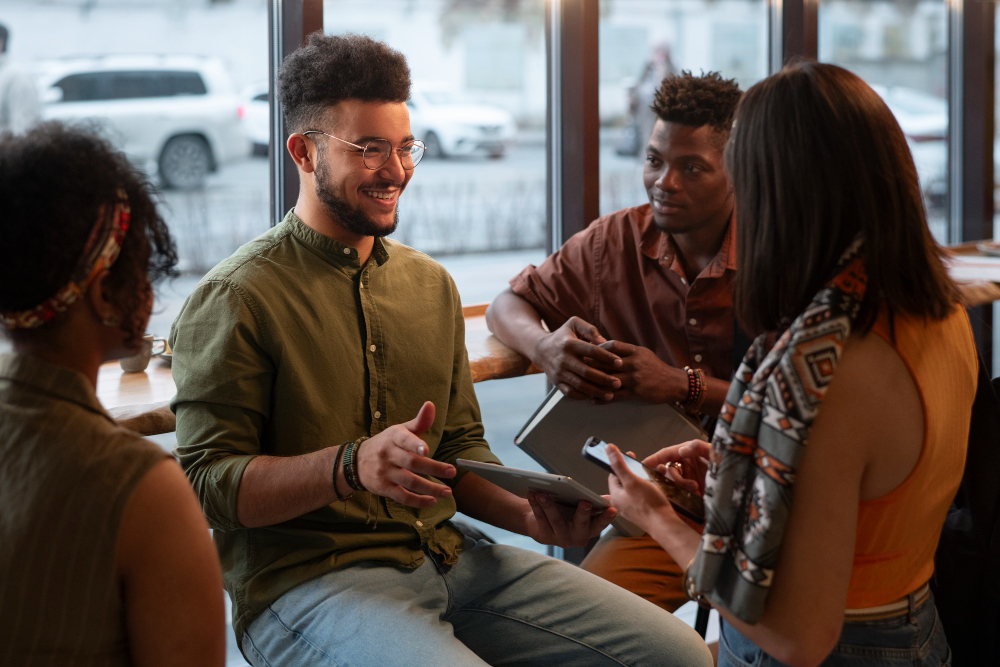
Our Programs

Our Programs

Comprehensive initiatives designed to promote mental health, peace, and community well-being
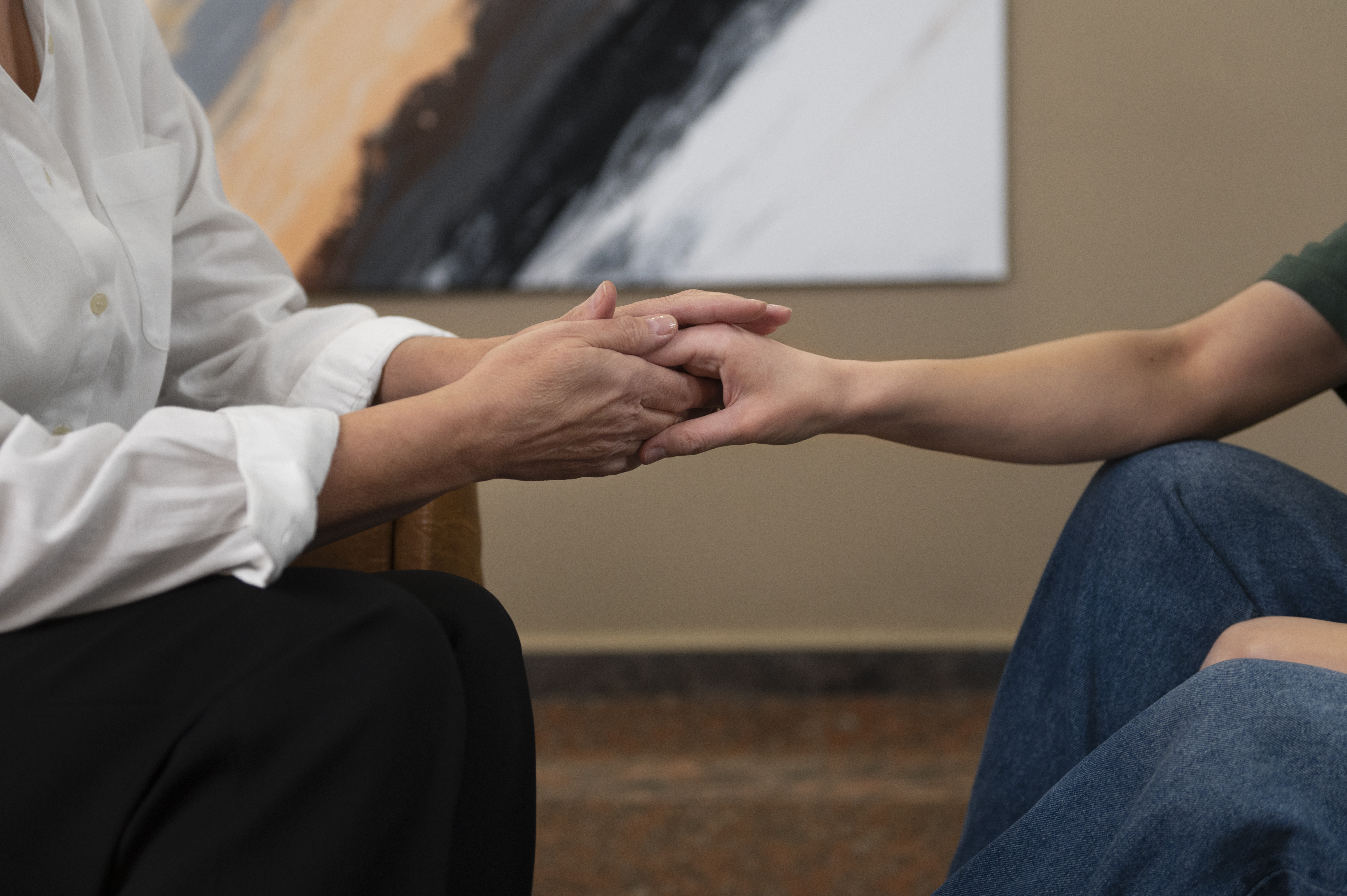
Mental Health Support

100+

Lives Impacted

Featured Program

Mental Health Support

Communities affected by violence and conflict face high levels of psychological stress that impact their well-being and social cohesion. Providing trauma-informed mental health support is essential for individual and community recovery.

Program Objectives

  • Offer accessible mental health care and psychosocial support services, adapted to the needs of populations exposed to violence
  • Train health professionals, social workers, and community volunteers to identify and manage trauma-related disorders
  • Promote the integration of mental health into community and medical services, ensuring inclusion and care for vulnerable groups

Implementation Strategies

  • Develop training programs for local staff in brief psychological therapies and psychological first aid
  • Create community support groups and activities that foster social cohesion and healthy stress coping
  • Facilitate access to specialized professional services for complex cases, including follow-up and medication when necessary
  • Implement culturally sensitive and participatory approaches that respect the ethnic and social diversity of communities

Expected Impact

  • Improvement in mental health and psychosocial well-being of affected individuals and communities
  • Reduction of stigma associated with mental disorders in vulnerable contexts
  • Strengthening of community capacity to support its members and promote collective resilience
Policy Impact

Advocacy and Policy

We collaborate with policymakers to promote legislation that supports peaceful conflict resolution and community development. Our strategic approach ensures that peace-building becomes an integral part of public policy.

Advocacy and Policy

50+

Policy Initiatives

Objectives of Political Collaboration

  • Establish strategic alliances with legislators, local governments, and public organizations for the creation and strengthening of laws that promote peaceful conflict resolution
  • Influence public policies that support peace education programs, community dialogue, and restorative justice
  • Ensure compliance and dissemination of regulations that facilitate alternative conflict resolution mechanisms, such as mediation and conciliation

Implementation Strategies

  • Actively participate in legislative consultation and evaluation processes, providing technical knowledge and evidence based on successful experiences
  • Develop awareness and training campaigns aimed at policymakers, highlighting the importance of inclusive and peaceful policies
  • Facilitate dialogue spaces between political actors, community members, and experts to build a consensual and effective legislative agenda

Expected Impact

  • Improvements in the legal framework that enable prevention and peaceful management of conflicts in community and social settings
  • Strengthening of community development through laws that favor citizen participation and social justice
  • Promotion of a political-social environment where values of peace, dialogue, and cooperation prevail, contributing to social stability and well-being
Community Dialogue

200+

Dialogues Facilitated

Building Bridges

Community Dialogue

In the United States, characterized by its cultural, ethnic, and social diversity, community dialogue is essential to address polarizations, racial and social tensions, and strengthen participatory democracy.

Facilitating spaces where multiple voices are heard helps overcome divisions and build consensus that reflects local realities and needs.

General Objective

Promote and facilitate inclusive dialogue processes that allow diverse communities to build bridges of understanding, resolve conflicts, and create collaborative solutions that drive social well-being and cohesion.

Adapted Methodology

  • Training of facilitators with intercultural sensitivity and skills to manage dynamics in multicultural and multilingual contexts
  • Use of innovative tools such as restorative circles, roundtables, and digital platforms for inclusion and accessibility
  • Implementation of strategies to actively involve youth, minorities, community leaders, and vulnerable groups
  • Safe and respectful spaces that ensure equitable participation and dialogue free from prejudice

Benefits and Expected Impact

  • Reduction of conflicts and misunderstandings between ethnic, racial, and social groups
  • Strengthening of citizen participation and the active role of the community in local policies
  • Creation of replicable and scalable community dialogue models for different regions and contexts
  • Contribution to building more inclusive, equitable, and resilient societies in the face of social challenges
Educational Excellence

Peace Education

In the United States, peace education is a key strategy to foster more harmonious, inclusive, and resilient school and community environments. It aims to develop fundamental skills in children, youth, and adults that facilitate peaceful coexistence and positive conflict management.

Peace Education

500+

Students Reached

General Objective

  • Design and offer curricula adapted to different educational levels that integrate concepts of conflict resolution, emotional intelligence, and empathy
  • Conduct practical and participatory workshops that strengthen these skills in schools and communities, with trained facilitators
  • Promote universal values such as dignity, equality, justice, responsibility, and solidarity as the foundation for a lasting culture of peace

Methodology

  • Use of active pedagogical techniques focused on participation, dialogue, and reflection
  • Adaptation of content and activities to ensure cultural inclusion and address socioeconomic and ethnic diversity
  • Continuous evaluation of impact to adjust the program according to results and local needs

Expected Benefits

  • Improvement in school and community coexistence through conflict reduction and promotion of mutual respect
  • Formation of individuals with greater capacity to understand and manage their own and others' emotions, which promotes healthy social relationships
  • Contribution to building more just, supportive, and peaceful communities, positively impacting overall well-being
Peace in the Workplace

150+

Organizations Trained

Corporate Excellence

Peace in the Workplace

In the U.S. work environment, effective conflict resolution is essential to maintain healthy, productive, and inclusive workplaces. Training in mediation and conflict resolution techniques helps minimize tensions, improve communication, and strengthen labor relations.

Program Objectives

  • Train employees and leaders in practical tools for mediation, negotiation, and conflict management
  • Promote an organizational culture based on respect, collaboration, and inclusion
  • Reduce costs and negative impacts associated with unmanaged conflicts, such as decreased productivity and employee turnover

Methodology

  • Interactive and educational workshops that combine theory, practice, and real case studies
  • Development of socioemotional skills that facilitate positive management of differences and collaborative decision-making
  • Incorporation of techniques adapted to the cultural and generational diversity present in U.S. companies
  • Follow-up and support to evaluate implementation and results in each organization

Benefits and Expected Impact

  • More harmonious and respectful work environments that foster innovation and teamwork
  • Greater capacity for internal conflict resolution, avoiding litigation and promoting consensual solutions
  • Employees and leaders trained to act as mediators facilitating dialogue and understanding
  • Contribution to corporate social responsibility and sustainable organizational well-being
Future Leaders

Youth Programs

Youth programs are a strategic investment to build a more just and peaceful society, by training young leaders capable of promoting positive change in their communities and beyond.
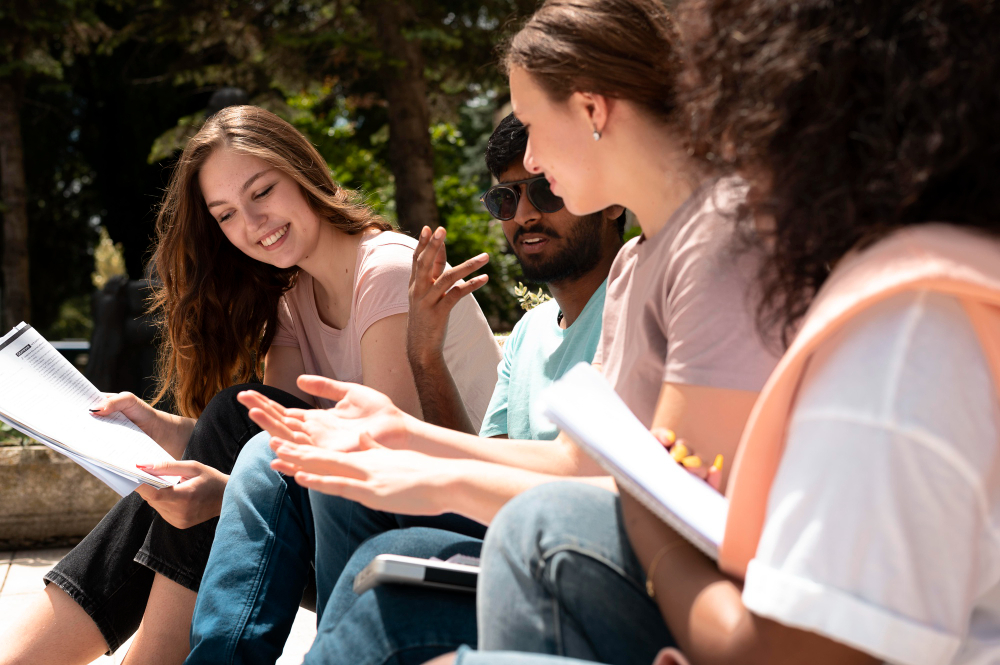
Youth Programs

300+

Young Leaders

Objectives

  • Develop educational programs and workshops that strengthen leadership skills, decision-making, teamwork, and peaceful conflict resolution in young people
  • Establish mentorship networks where young leaders can receive guidance and support from experts and activists in peace and social development issues
  • Encourage initiatives and projects led by young people that promote a culture of peace and active citizen participation

Methodology

  • Use of participatory and dynamic approaches, combining theoretical training with practical activities and real projects
  • Promotion of inclusive spaces that value the cultural, ethnic, and social diversity of American youth
  • Integration of technology and digital platforms to connect young people, facilitate mentorships, and disseminate their initiatives

Benefits and Expected Impact

  • Formation of committed and trained young leaders capable of positively influencing their communities
  • Increase in youth participation in social and political processes, strengthening democracy and social cohesion
  • Creation of a strong network of young change agents who continue promoting peace and sustainable development in the long term